The Struggle
The Deshmukh family lived in Mumbai. Rajesh worked in IT, earning a decent salary of ₹50,000 per month. His wife, Kavita, managed the household, and their two children were in school. Despite earning enough, every month ended the same way, money ran out before the next paycheck. Bills piled up, small pleasures felt guilty, and stress became routine.
Rajesh often asked himself: “Why are we struggling when we earn enough?”
“This is a fictional story created for educational purposes. Any resemblance to real persons is purely coincidental.”
The Realization
One evening, Kavita suggested tracking expenses for a month. They wrote down every rupee spent : groceries, rent, subscriptions, dining out, even the daily chai. By the end of the month, the picture was clear. Small leaks had become big drains. Impulse spending and lack of structure were the culprits.
They realized smart budgeting wasn’t about restriction, it was about awareness.
The Art Behind Smart Budgeting
The family discovered three truths:
- Investments must come first. Saving after spending never worked.
- The family drew a clear line between needs and wants. Essentials like rent and groceries should not mix with dining out or shopping.
- Personal finance is personal. No fixed formula fits everyone, they had to decide their own percentages.
Smart budgeting, they learned, was an art of balance.
The Practical Steps They Took In Smart Budgeting
1. Tracking Expenses Daily
- They used a simple notebook and later a mobile app to record every rupee spent.
- They noted even small items like chai or bus fare, and these revealed hidden leaks.
- This habit created awareness and accountability.
2. Setting Clear Percentages
- Instead of following a rigid formula, they customized a split that fit their lifestyle:
- 30% Investments – SIPs, insurance premiums, recurring deposits.
- 50% Needs – Rent, groceries, utilities, transport.
- 20% Wants – Dining out, shopping, subscriptions.
- They understood these ratios were personal choices, not universal rules.
3. Creating Multiple Accounts
- Parent Account: Salary credited here.
- Investment Account: Money transferred first to ensure future security.
- Needs Account: For essentials like rent and groceries.
- Wants Account: For discretionary spending, making leisure guilt‑free.
- This separation prevented mixing essentials with luxuries.
4. Automating Transfers
- They set standing instructions that automatically deducted investments.
- Needs and wants accounts received fixed transfers, reducing temptation to overspend.
5. Monthly Comparison & Review
- At month‑end, they compared planned vs. actual spending.
- They identified overspending patterns like dining out or subscriptions and adjusted them.
- This review turned budgeting into a learning process rather than punishment.
6. Balancing YOLO vs. Future
- They acknowledged the “You Only Live Once” mindset but balanced it with long‑term security.
- Planned wants spending allowed enjoyment without guilt, while investments ensured stability.
Example: Their ₹50,000 Salary
- Investments (₹15,000): SIPs, insurance premiums, recurring deposits.
- Needs (₹25,000): Rent, groceries, utilities, transport.
- Wants (₹10,000): Dining out, shopping, subscriptions.
They secured investments first, ensuring the future was taken care of. They managed needs within limits, and they enjoyed wants guilt‑free because they planned them.
Common Practices That Helped
- Multiple accounts: Salary in one parent account, then distributed into needs and wants accounts.
- Expense comparison: Month‑end reviews revealed overspending patterns.
- YOLO vs Future: They balanced “You Only Live Once” spending with long‑term security.
This simple structure gave them clarity.
The Transformation using Smart Budgeting
Within a few months of following their new structure, the Deshmukh family began to notice positive changes.
- Month‑end stress felt lighter as expenses were more predictable.
- Investments became consistent because they were set aside first.
- Spending on wants felt guilt‑free since it was planned in advance.
- Financial conversations at home shifted from worry to clarity.
These improvements reflected their personal experience with budgeting. While every family’s journey is different, their story shows how awareness and structure can make money management feel more manageable.
Conclusion
The Deshmukh family’s journey highlights why budgeting often fails : expenses go untracked, needs and wants get mixed, and investments are treated as leftovers. Their experience shows that budgeting is less about restriction and more about awareness, prioritization, and structure.
Simple practices like expense tracking, using multiple accounts, and monthly comparisons can help families see their money more clearly. While every household’s situation is unique, the principle remains: clarity brings confidence.
Final Thought: Budgeting is not about saying “no” to life, it’s about saying “yes” to both today and tomorrow. Awareness is the bridge that turns financial stress into financial clarity.
FAQs
Q1: Why do families struggle with money despite earning enough?
Untracked expenses, impulse spending, and mixing needs with wants often lead to financial stress even when incomes are sufficient.
Q2: How does tracking expenses help in budgeting?
Recording every expense, even small items, creates awareness of spending patterns and highlights hidden leaks in household budgets.
Q3: Do families need a fixed budgeting formula?
Not really. Each household can set its own split between savings, needs, and wants. For example, some use 30% savings, 50% needs, 20% wants, but it’s flexible.
Q4: Why use multiple accounts for budgeting?
Separating money into accounts for investments, essentials, and discretionary spending helps prevent overspending and brings clarity to financial management.
Q5: How can monthly reviews improve budgeting?
Comparing planned versus actual spending at month‑end allows families to identify overspending habits and adjust budgets for better control.
Disclaimer: This story is for educational purposes only. It does not constitute financial, tax, or investment advice. The practices described reflect one family’s experience and may not suit all situations. Readers should consult qualified professionals before making financial decisions
“Below are the few best books to read. Please note: As an Amazon Associate, I earn from qualifying purchases through the affiliate links provided.”
1} The Psychology of Money – https://amzn.to/4bSMlES
2} The Power of Your Subconscious Mind – https://amzn.to/4sGF9mD
3} Think and Grow Rich – https://amzn.to/4bDB10G
4} The Richest Man in Babylon – https://amzn.to/4sFfYAX
5} Value Investing and Behavioral Finance – https://amzn.to/4sCSA6S
Continue your journey with our other posts

Smart Budgeting: How One Family Beat the Month‑End Struggle
The Struggle The Deshmukh family lived in Mumbai. Rajesh worked in IT, earning a decent salary of ₹5…
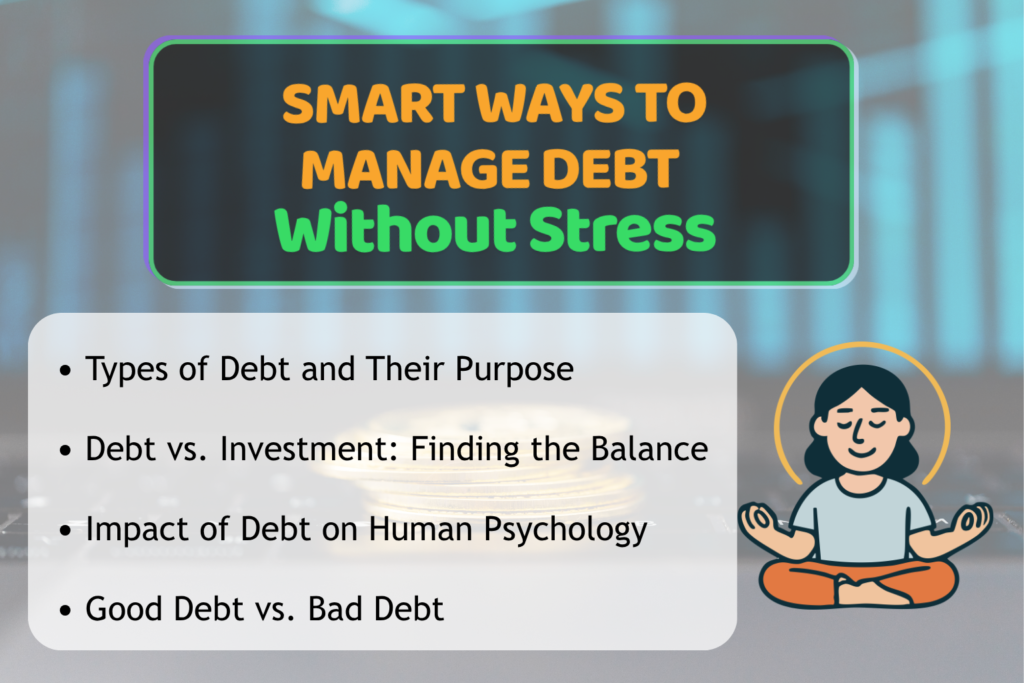
Smart Ways to Manage Debt Without Stress
Introduction: Why Debt Management Matters Debt is one of the most common financial realities across …

HDFC Bank Results Q4 FY26: Key Highlights
Introduction HDFC Bank, India’s largest private sector lender, has announced its Q4 FY26 earnings, d…